
Power Sector Crisis: Is Blaming the Energy Minister Alone Justified?

Published : 00:26, 13 September 2026
As Bangladesh navigates persistent power outages and load-shedding, discussions inside and outside the National Parliament have turned intense, raising a critical question: is it fair to attribute the entire structural crisis of the power sector to the minister alone?
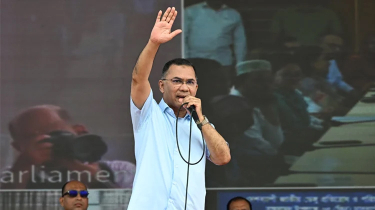
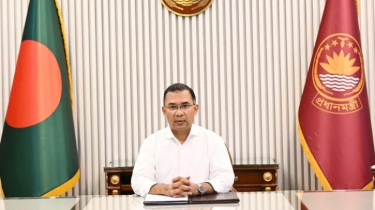
Recent parliamentary debates witnessed sharp criticism directed at the Energy Minister over frequent supply disruptions. While Prime Minister Tarique Rahman has publicly acknowledged the severe power shortages and outlined government efforts to resolve the situation, political analysts warn that singling out an individual cabinet member masks deep-rooted systemic failures.
Technical reports indicate that the rural electricity distribution network faces unique operational vulnerabilities. Overhead feeder lines spanning 30 to over 80 kilometers are highly susceptible to environmental disruptions—such as fallen tree branches, storms, and lightning. Identifying faults on such long spans requires manual line patrols, resulting in unavoidable delays before service can be safely restored.
Furthermore, long-term policy shortcomings inherited from previous administrations—including inadequate domestic gas exploration, over-reliance on imported LNG, and delayed grid modernization—have compounded the national energy deficit.
Experts emphasize that resolving the crisis requires technical and structural interventions rather than political blame games. Upgrading to smart grid infrastructure, installing automated reclosers, reducing feeder line distances through new substations, and prioritizing renewable energy remain essential steps toward achieving long-term power stability.