
What Is a Shadow Cabinet? Could It Take Shape in Bangladesh?
Published : 19:40, 16 February 2026
The concept of a “shadow cabinet” is a well-established feature in several parliamentary democracies around the world. It refers to a team of senior members from the opposition party who are assigned to “shadow” or monitor specific government ministries.
Each shadow minister is responsible for scrutinizing the policies and actions of a corresponding government minister and presenting alternative policy proposals.
The shadow cabinet system operates most prominently in the United Kingdom and other Westminster-style parliamentary systems. In such systems, the largest opposition party forms an organized alternative government-in-waiting.
The leader of the opposition appoints shadow ministers who regularly respond to government policies, debate legislation, and prepare to assume ministerial roles if their party wins a future election. The structure promotes accountability, policy debate, and preparedness for the transition of power.
In practice, a shadow cabinet does not hold executive authority. It has no constitutional power to make administrative decisions or implement policies. Instead, it functions politically—through parliamentary debates, media engagement, and public policy critiques. Its role is to ensure continuous oversight of government ministries and to provide voters with clear alternative governance options.
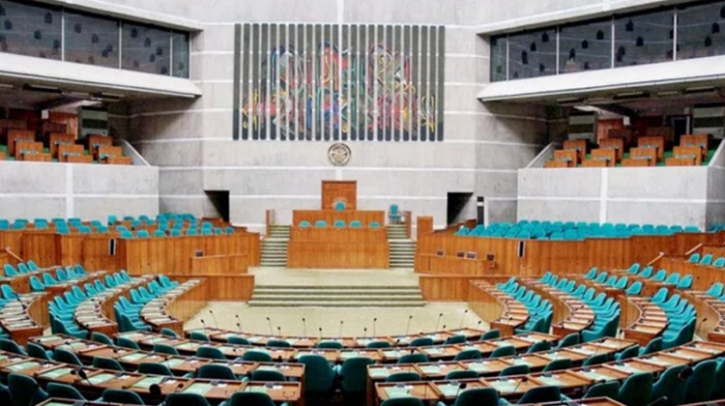
In Bangladesh, the Constitution establishes a parliamentary system of government, where executive authority is exercised by the Prime Minister and the Council of Ministers. However, the Constitution does not formally recognize or mandate the formation of a shadow cabinet. Unlike the United Kingdom, Bangladesh does not have an institutionalized or officially recognized shadow cabinet framework within its parliamentary rules.
Historically, opposition parties in Bangladesh have occasionally announced “shadow committees” or spokesperson teams on specific sectors such as finance, foreign affairs, or home affairs. These arrangements have generally been political strategies rather than constitutionally recognized bodies. They operate informally and are dependent on party organization rather than parliamentary convention.
Whether a shadow cabinet could formally take shape in Bangladesh depends largely on political will, parliamentary culture, and institutional reform. Since Bangladesh follows a parliamentary model, there is no legal barrier preventing an opposition party from organizing itself into a shadow cabinet structure.
However, its effectiveness would depend on strong parliamentary functioning, regular participation of opposition members in legislative sessions, and structured policy engagement.
Political analysts suggest that if implemented effectively, a shadow cabinet in Bangladesh could strengthen democratic accountability, improve policy debate, and prepare opposition leaders for future governance responsibilities.
At the same time, critics argue that the success of such a system requires stable parliamentary traditions, consistent legislative practices, and mutual recognition between ruling and opposition parties.
As Bangladesh continues to evolve politically, discussions around institutional mechanisms like a shadow cabinet highlight broader debates about democratic oversight, governance reform, and the strengthening of parliamentary culture.
BD/AN