
India’s First Court‑Approved Passive Euthanasia Case: Harish Rana Dies After 13 Years in Coma
Published : 01:18, 26 March 2026
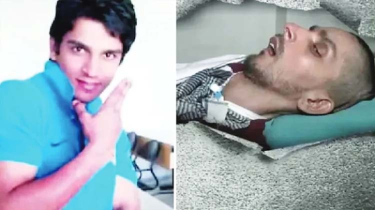
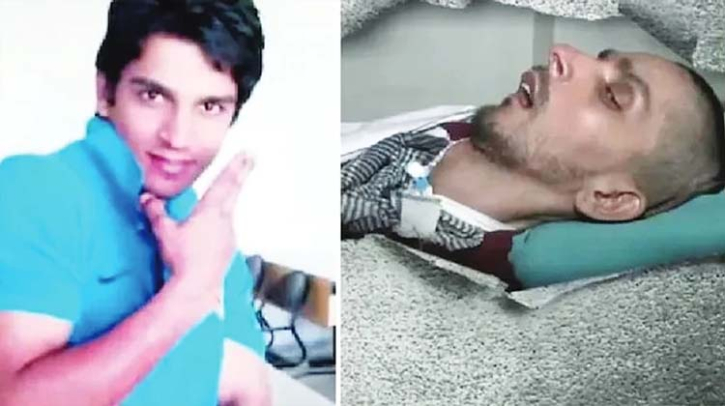
In a landmark moment for India’s legal and medical history, 31‑year‑old Harish Rana died at the All India Institute of Medical Sciences (AIIMS) in New Delhi after life support was withdrawn under a court‑approved passive euthanasia process. Rana had remained in a permanent vegetative state for more than 13 years after suffering severe brain injury in a 2013 accident, making his case the first in India to receive judicial permission for passive euthanasia.
Rana’s health journey began in 2013 when he fell from a fourth‑floor balcony while studying engineering, leaving him with catastrophic brain damage and no meaningful awareness. He survived on artificial nutrition and occasional oxygen support for over a decade. In March 2026, India’s Supreme Court granted permission to withdraw life‑sustaining treatment, applying the legal framework that recognises passive euthanasia under strict conditions. This decision marked the first practical implementation of India’s passive euthanasia provisions.
Following the Supreme Court’s decision, Rana was admitted to the palliative care unit at AIIMS, where a specialised medical team oversaw the gradual withdrawal of life support and focused on ensuring his comfort and dignity. He passed away peacefully at approximately 4:10 p.m. on March 24, 2026.
Rana’s family made the compassionate choice to donate his corneas and heart valves after his death, underlining a legacy of giving even in passing. His cremation took place in New Delhi with family members in attendance.
The case has drawn national attention for its implications on end‑of‑life care, legal rights, and medical ethics in India, highlighting the evolving discourse around death with dignity under the law.
Subject-