
Historic Enthronement of First Female Archbishop of Canterbury Marks New Era for the Church of England
Published : 01:23, 26 March 2026
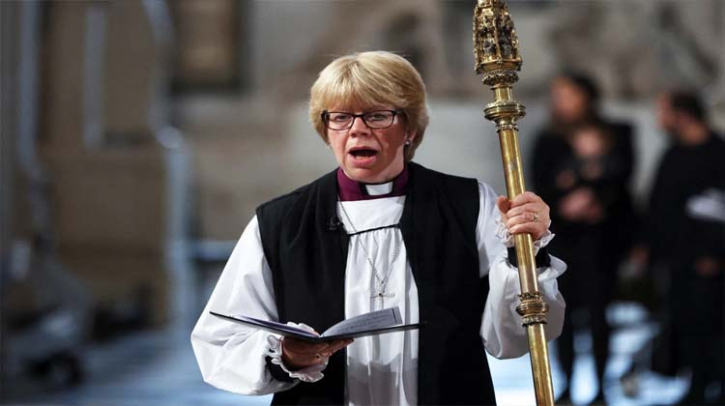
On March 25, 2026, Dame Sarah Mullally was officially enthroned as the Archbishop of Canterbury, becoming the first woman in the more than 1,400‑year history of the office to hold the position. The historic ceremony took place at Canterbury Cathedral, drawing an attendance of around 2,000 people, including senior religious leaders, political figures, and representatives from across the global Anglican Communion.
Dame Sarah becomes the 106th Archbishop of Canterbury, the principal leader of the Church of England, and the spiritual head of the worldwide Anglican Communion. Although she had already been legally confirmed in the role earlier in January, the enthronement service marked the symbolic beginning of her public ministry in the ancient cathedral that has served as the historic seat of the archbishopric for centuries. The enthronement service included traditional liturgy that highlighted her authority and responsibilities, symbolised by her seating on the historic Chair of St. Augustine, a throne used for centuries by previous archbishops.
The Prince and Princess of Wales attended the ceremony representing the King, who is the Supreme Governor of the Church of England. UK Prime Minister Sir Keir Starmer and other dignitaries were also present. Prayers, songs, and scripture readings in multiple languages, reflecting the global diversity of the Anglican Communion, featured during the service. Dame Sarah delivered her first sermon as Archbishop during the ceremony.
Before entering ordained ministry, Dame Sarah had a distinguished career in healthcare, rising to become England’s Chief Nursing Officer. She later transitioned to church leadership, was ordained as a priest, and served as Bishop of London prior to her appointment as Archbishop of Canterbury.
Dame Sarah’s enthronement represents a milestone for gender inclusivity within the Church of England. Her leadership comes at a time when the church faces challenges, including declining attendance, internal debates on social issues, and the need for renewed unity across its global membership. By accepting this role, she becomes a symbol of progress and inspiration, especially for women and girls within the church and beyond.
Subject-