
October 7 in Pakistan’s History: A Day of Democratic Turmoil
Published : 16:42, 10 October 2026
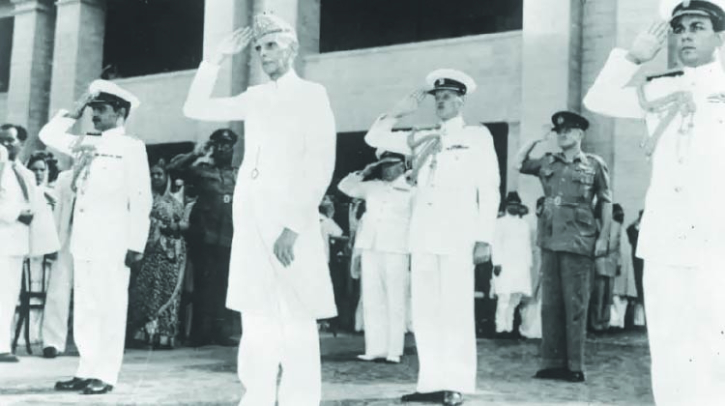
October 7 holds a significant place in Pakistan’s political history. On this day in 1958, then-President Iskander Mirza abrogated the country’s constitution and imposed martial law, marking a major setback for democratic governance and paving the way for direct military intervention in politics.
Constitution Abrogated, Martial Law Imposed
On October 7, 1958, Iskander Mirza abrogated Pakistan’s constitution, dissolved the central and provincial governments, and banned political parties. He also appointed Army Chief General Ayub Khan as the chief martial law administrator.
The arrangement, however, did not last long. On October 27, Ayub Khan removed Mirza from power and assumed control of the state himself, ushering in a new phase of military rule in Pakistan.
Political Crisis and Weakening Democratic Institutions
The events of October 1958 are widely regarded as more than a change of government. They marked a turning point in Pakistan’s constitutional history, exposing the vulnerability of democratic institutions and disrupting the continuity of constitutional governance.
The doctrine of necessity later became part of debates over the legal justification of extraordinary actions by the state. Its use in Pakistan’s constitutional history raised questions about the legitimacy of military takeovers and the suspension of constitutional arrangements.
Ayub Khan’s Rule and the East Pakistan Question
Ayub Khan’s rule brought significant changes to Pakistan’s political and administrative structure. During this period, dissatisfaction grew in East Pakistan over political representation, economic disparities and demands for greater autonomy.
Disputes over the political and economic rights of the people of East Pakistan contributed to the rise of Bengali nationalism. The Agartala Conspiracy Case and the mass movement against it further intensified political tensions.
Amid the mass uprising of 1969, Ayub Khan’s rule came to an end. General Yahya Khan subsequently assumed power. However, the continuation of military rule and the widening political divide between East and West Pakistan deepened the crisis facing the country.
The Long Shadow of Military Intervention
Military involvement in Pakistan’s politics continued in subsequent decades. Periods of military rule, constitutional suspension and the armed forces’ influence over civilian governments repeatedly shaped the country’s political development.
Debate over the power and role of Pakistan’s military leadership has continued in recent years. Army Chief Asim Munir’s promotion to the rank of field marshal has also drawn attention to the influence of the military establishment in the country’s political system.
Lessons from History
The events of October 7, 1958, remain a defining moment in Pakistan’s political history. They illustrate how military intervention and the weakening of constitutional institutions can have lasting consequences for democracy and civilian governance.
The anniversary serves as a reminder that democratic institutions require strong constitutional safeguards and respect for civilian authority to remain resilient against political and military upheavals.