
Argentina Reject World Cup ‘Villains’ Label After Samuel L. Jackson-Led Criticism
Published : 02:07, 22 July 2026
Argentina supporters and football commentators have pushed back against attempts to portray the national team as the “villains” of the 2026 FIFA World Cup following criticism of their conduct, playing style and fan culture.
The debate intensified after Argentina’s tense 1–0 extra-time defeat by Spain in Sunday’s final. Critics accused the defending champions of excessive physicality, poor sportsmanship and losing their composure as their hopes of retaining the trophy faded.
The final featured repeated fouls and confrontations, while Argentina’s players were also criticised for turning away during Spain’s trophy presentation. Former Germany international Thomas Hitzlsperger described the Argentinians as poor sports, while British broadcaster Piers Morgan accused them of concentrating on aggressive challenges rather than football.
However, many Argentinians reject the suggestion that their team’s competitive intensity makes them villains. Supporters argue that the country’s football culture is built on passion, pride and a willingness to fight for every ball, qualities they believe are often misunderstood as arrogance or violence.
One Argentina supporter quoted after the final said the team played with the same physical commitment associated with much of South American football, while pointing out that Spain had also used tactical fouls. Others said criticism from abroad had become familiar and was now sometimes treated as a badge of honour.
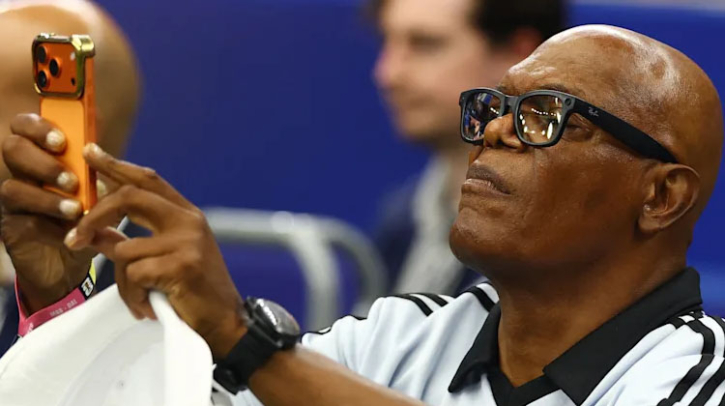
The controversy expanded beyond events on the pitch after Hollywood actor Samuel L. Jackson shared a social-media post urging Black fans not to support Argentina.
The post described Argentina as one of the world’s most racist countries, reviving debate over racism in Argentine football and society. Jackson’s intervention attracted considerable attention because he had attended several matches during the tournament and was among its most prominent celebrity spectators.
During the World Cup, FIFA condemned a racist incident in which an Argentine supporter directed an offensive comment at Black American online personality IShowSpeed during a livestream. Argentine fan groups have also faced criticism over discriminatory chants targeting the African heritage of French players.
Argentina’s critics say such incidents cannot simply be dismissed as part of football rivalry. Sociologist Ivan Schuliaquer acknowledged that racism exists and should not be denied, but warned against using football-related incidents to make sweeping judgements about Argentina’s entire society and history.
The dispute reflects a wider argument over how Argentina’s football identity is perceived internationally. The country’s supporters regard confidence, provocation and emotional intensity as essential parts of the game. Outside Argentina, however, those characteristics are sometimes interpreted as arrogance, entitlement or hostility.
Argentina’s reputation as a divisive team predates the 2026 tournament. Diego Maradona’s controversial “Hand of God” goal against England in 1986 remains celebrated in Argentina but resented elsewhere. More recently, the global attention surrounding Lionel Messi has attracted both enormous admiration and growing fatigue among rival supporters.
Political gestures have also contributed to the tension. After defeating England in the 2026 semi-final, Argentina’s players displayed a banner declaring that the Falkland Islands—or Malvinas—belong to Argentina, despite FIFA rules restricting political statements.
Criticism was further fuelled by the team’s conduct in the final. Spain controlled much of the contest, while Argentina became the first side in World Cup history to finish regulation time in a final without registering a shot. As frustration grew, their performance became increasingly physical and confrontational.
Despite the criticism, Argentina’s players, journalists and supporters insist the national side should be judged by its achievements and commitment rather than reduced to a villainous stereotype.
The team arrived at the final as defending champions and had reached a second consecutive World Cup decider after a dramatic campaign. Their supporters argue that the willingness to compete until the final whistle is precisely what has made Argentina one of international football’s most successful nations.
Some Argentine commentators have nevertheless accepted that parts of the criticism are justified. They have acknowledged that provocation, boasting and confrontational behaviour—common within Argentina’s domestic football culture—may not be understood or accepted by a global audience. The decision to turn away during Spain’s trophy presentation was also criticised within Argentina.
The debate is therefore unlikely to end with the tournament. To Argentina’s supporters, the team represents pride, rebellion and emotional football. To many opponents, the same qualities appear as arrogance, aggression and poor sportsmanship.
Argentina may deny being the World Cup’s villains, but the controversy surrounding their final performance and the racism allegations ensures they will remain one of international football’s most polarising teams.
Subject-