
New Hope Emerges for Bangladesh-India Relations
Published : 18:11, 10 August 2026
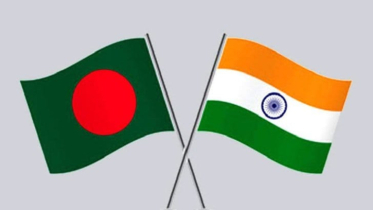
Diplomacy has no permanent enemies or permanent friends; it is ultimately shaped by national interests, mutual needs and opportunities for dialogue. Amid recent tensions between Bangladesh and India, a renewed effort to maintain communication between the two neighbours is creating fresh hope for a more pragmatic relationship.
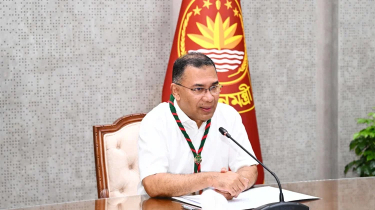
A courtesy meeting between Bangladesh Prime Minister Tarique Rahman and Indian High Commissioner to Bangladesh Dinesh Trivedi has been viewed as significant in the context of bilateral relations. It was their first meeting since the prime minister assumed office. At a time when tensions, mistrust and disagreements remain over several issues, the meeting sent an important diplomatic message: differences may exist, but the door to dialogue remains open.
Diplomatic observers say disagreements between neighbouring countries are normal. However, the deeper the crisis, the greater the need for communication. Rather than allowing political differences to develop into long-term hostility, both countries have an interest in resolving outstanding issues through dialogue.
Bangladesh-India relations have faced considerable strain since the political change in Bangladesh on August 5, 2024. Restrictions on visa services, diplomatic summons, border-related disputes and political statements have weakened mutual trust. People-to-people contact and business activities between the two countries have also faced various difficulties.
Despite political tensions, however, the economic realities continue to keep the two countries closely connected. India remains one of Bangladesh's major trading partners. Trade, electricity, energy, connectivity, border management, security, river-water sharing and regional cooperation are among the many areas directly linked to bilateral relations.
Recent visa difficulties, border incidents and political statements have added to the complexity of the relationship. Dhaka has also expressed concerns over political activities by former Bangladesh Prime Minister Sheikh Hasina while she remains in India. Issues including alleged push-ins and border killings have further contributed to bilateral unease.
Against this backdrop, the appointment of Dinesh Trivedi as India's new high commissioner in Dhaka has attracted particular attention. Unlike a career diplomat, Trivedi is an experienced Indian politician. Since taking charge, he has emphasised areas of common interest, communication and cooperation between the two countries. He has also held several meetings with Bangladesh Foreign Minister Khalilur Rahman.
Economic cooperation is expected to remain an important component of efforts to normalise relations. When shortages occur, imports from a neighbouring country can help stabilise domestic markets. The two countries also have significant mutual interests in electricity and energy cooperation, trade and regional connectivity.
The Rohingya crisis remains another major challenge for Bangladesh's foreign policy. The prolonged presence of a large Rohingya population has placed significant pressure on Bangladesh's economy, environment and security. Effective diplomatic engagement with regional and international powers, including India, is important to create conditions for a safe and dignified repatriation process.
Water-sharing is another critical issue in Bangladesh-India relations. The Ganges water-sharing agreement, the Teesta issue and the management of common rivers have remained subjects of discussion for years. Resolving these longstanding issues will require political goodwill, sustained dialogue and greater mutual trust.
Experts say friendship does not mean agreeing on every issue, just as disagreement does not automatically mean hostility. A mature state must remain firm in protecting its national interests while also taking into account the interests and sensitivities of its neighbours. The same balance is necessary in Bangladesh-India relations.
Bangladesh wants a friendly and cooperative relationship with India, but such a relationship must be based on equality, mutual respect and shared interests. Dhaka has a legitimate interest in ensuring that its territory is not used against another country, while also expecting that no country's territory will be used for political or other activities against Bangladesh.
Bangladesh also expects India to view the country as an equal neighbour and partner rather than through a “big brother” approach. Sensitive issues involving the border, water sharing, trade, visas and political activities should be addressed through mutual respect and sustained dialogue.
The “Bangladesh First” approach to foreign policy does not mean distancing the country from any particular nation. Rather, it means placing national interests at the centre while maintaining balanced and constructive relations with all countries. Friendship with India is important, but protecting Bangladesh's national interests is equally important.
Geography, history, economic ties and people-to-people connections have deeply linked Bangladesh and India. As a result, cooperation and dialogue are likely to serve both countries better than confrontation.
The meeting between Prime Minister Tarique Rahman and Indian High Commissioner Dinesh Trivedi could mark the beginning of a new phase in bilateral engagement. Difficult issues and disagreements will remain, but maintaining a relationship does not require consensus on every matter. What is needed is regular communication, mutual respect and a willingness to resolve differences through dialogue.
If Bangladesh and India can move beyond past tensions and build their relationship on equality, trust, mutual respect and national interests, bilateral ties could enter a more constructive and positive chapter.