
Government Agrees in Principle to Require Court Approval Before Arresting Journalists Over Published News
Published : 13:49, 5 November 2026
The government has reached a policy-level consensus on including a provision in the draft Cyber Security (Amendment) Act, 2026, requiring prior approval from the competent court before arresting any journalist, media owner or responsible media representative over published news.
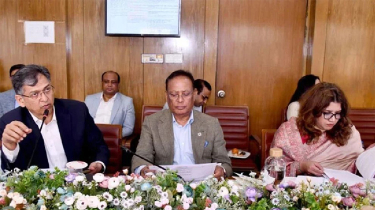
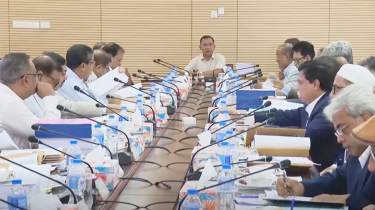
The decision was taken at a meeting of the Cabinet Committee formed to review the revised draft of the law, with the stated aim of protecting independent journalism and ensuring media safety.
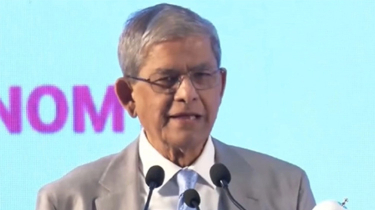
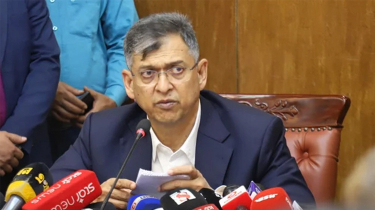
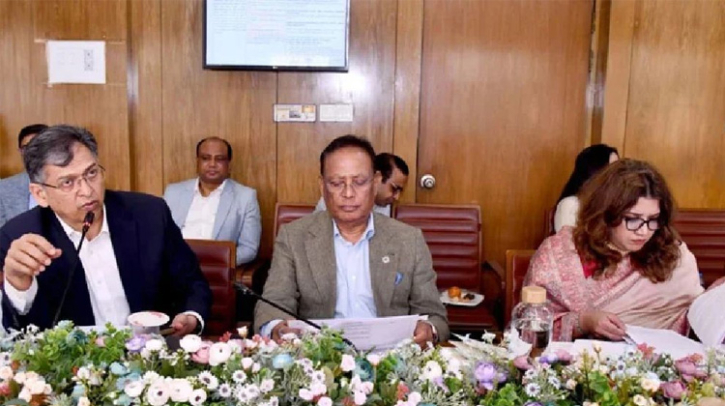
The meeting was held on Wednesday at the conference room of the Posts and Telecommunications Division. It was chaired by Posts, Telecommunications and Information Technology Minister Fakir Mahbub Anam. Home Minister Salahuddin Ahmed, State Minister for Foreign Affairs Shama Obaed Islam and senior government officials also attended.
A ministry press release issued after the meeting said the draft law was being revised in light of specific recommendations from journalists and media representatives. It said particular attention was being given to ensuring that the new law would not obstruct independent journalism or become a tool for harassing media workers.
Under the proposed amendments, prior court approval would be mandatory before arresting a journalist over published news. The draft also emphasises following due legal procedures at every stage of law enforcement.
The meeting also discussed separating the issues of defamation, disparagement and cyberbullying, and reorganising the relevant sections of the law. It stressed the need to align the definition of defamation and its penalties with the country's existing Penal Code.
To protect media freedom, the government has decided to make the definitions of rumours and misinformation more precise. The proposed provisions are intended to prevent individuals or organisations from being harassed by exploiting ambiguities in the law.
The meeting also discussed excluding provisions that would allow action through mobile courts. In addition, proposals were made to require written explanations to be provided to relevant parties before digital content is blocked or removed, and to set a specific deadline for resolving appeals seeking the restoration of such content.
The draft is also expected to include provisions requiring written notice and an opportunity for a media organisation to defend itself before administrative action is taken against it.
Meanwhile, the government has decided to include media representatives in the proposed new membership structure of the Cyber Security Council. Discussions were also held on strengthening coordination with international technology platforms and development partners, including Meta and the United Nations.
The revised draft is expected to be published on a website soon, allowing members of the public and all relevant stakeholders to submit their opinions and recommendations.
Participants at the meeting said the new law must strike a balance between tackling cybercrime and online threats and protecting citizens' freedom of expression and the rights of independent media.
The meeting included a special presentation by the National Cyber Security Agency. ICT Division Secretary Mamunur Rashid Bhuiyan, Posts and Telecommunications Division Secretary Md Kamruzzaman and other senior government policymakers were also present.